
FDM 3D Printing Service – Fused Deposition Modelling
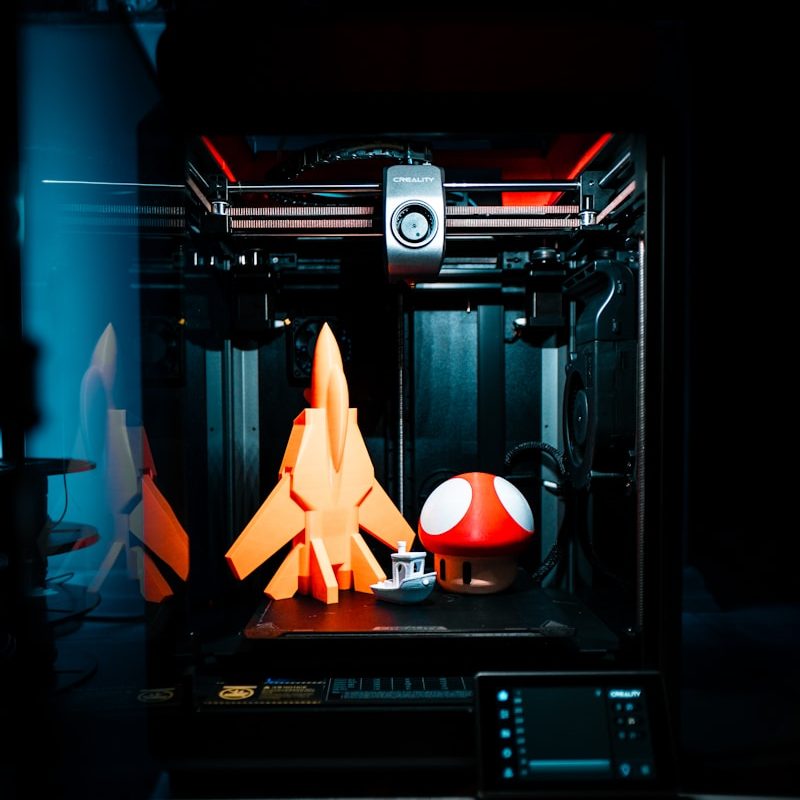
LBFG provides FDM printers and FDM technology through our 3D printing services, offering precision and efficiency. With our advanced printing technology, we can produce parts up to 500x500x500mm in size and create multicolour prints up to 250x250x250mm.
Larger components can be printed in sections and assembled, allowing for the creation of complex geometries with precision. While our instant quoting engine does not yet support multicolour printing directly, customers can request a manual quote to specify colours for each part. Our goal is to meet your 3D printing needs with quality and flexibility using reliable FDM 3D printing.
Quality, Accuracy, and Layer Thickness
We guarantee a dimensional accuracy of ±0.5%, with a minimum of ±0.5mm.
Regardless of infill ratio, the minimum wall thickness is 1.2mm. We offer three layer thickness options to suit different project requirements:
These resolutions levels are ideal for both rapid prototyping and functional end-use parts using FDM printers.
Design Guidelines for FDM Parts
Accepted File Formats for Additive Manufacturing
To ensure high-quality output with our FDM 3D prining process, we recommend the following design parameters:
Our engineers will review every order prior to production and will notify you if any feature is non-printable or may result in poor quality, particularly when creating complex geometries suing the FDM manufacturing process.
Our instant quoting system for additive manufacturing accepts STL, OBJ, and 3MF files.
For manual quotes and enquiries, we also accept and convert other file formats at no extra cost, including:
If your file format isn’t listed, please contact us using the online form. Our team is ready to support your manufacturing process every step of the way.
Material Options for FDM Printing
We offer a broad range of different materials to suit a wide variety of applications and industries. Whether you’re working on rapid prototyping, functional parts, or decorative components, we can help you choose the right material for your needs.
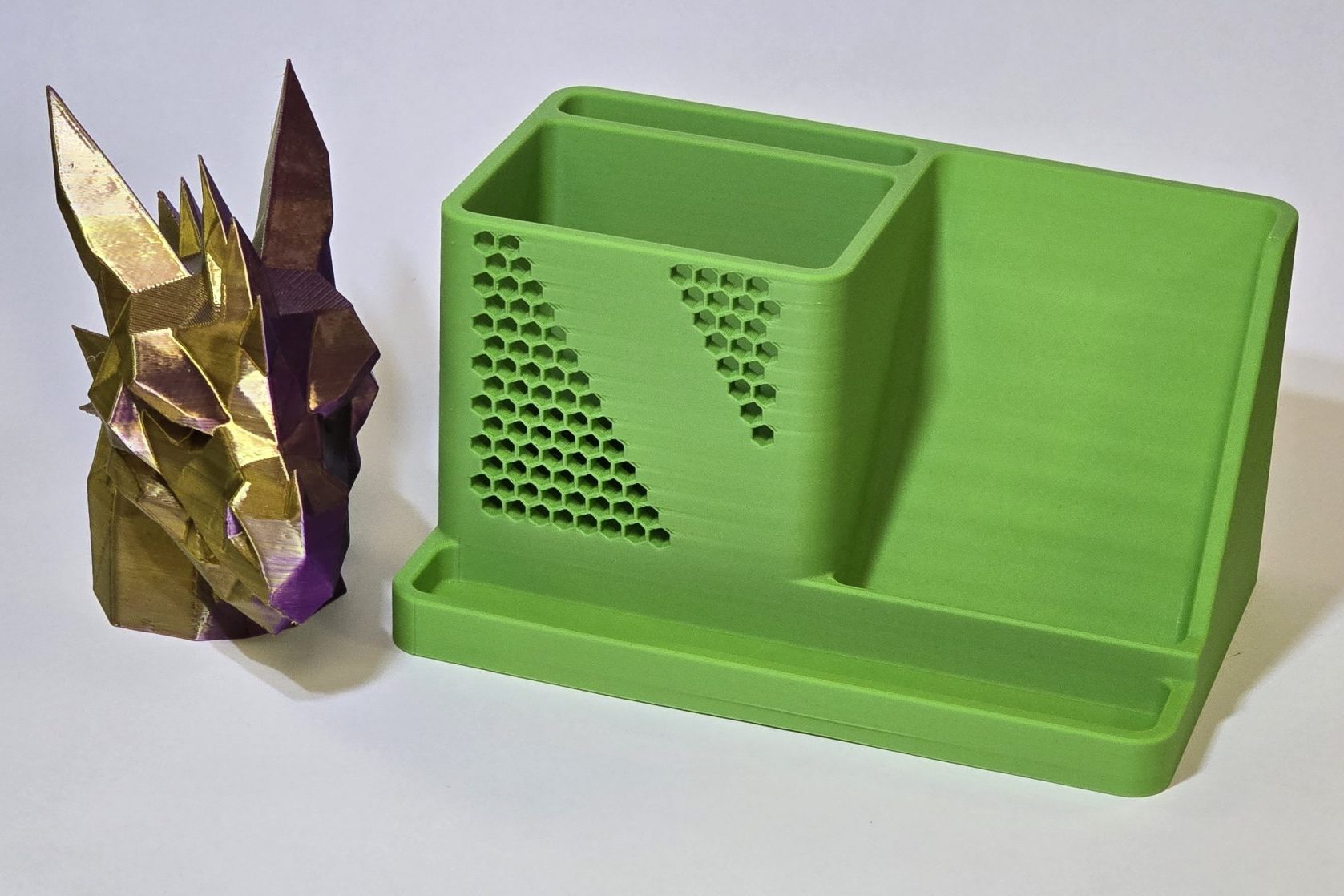
PLA – Polylactic Acid
A plant-based, biodegradable filament prized for its ease of printing and crisp detail. PLA runs at low temperatures, warps minimally, and produces a glossy finish—ideal for beginners, decorative models, prototypes, and concept proofs where high strength or heat resistance aren’t critical.
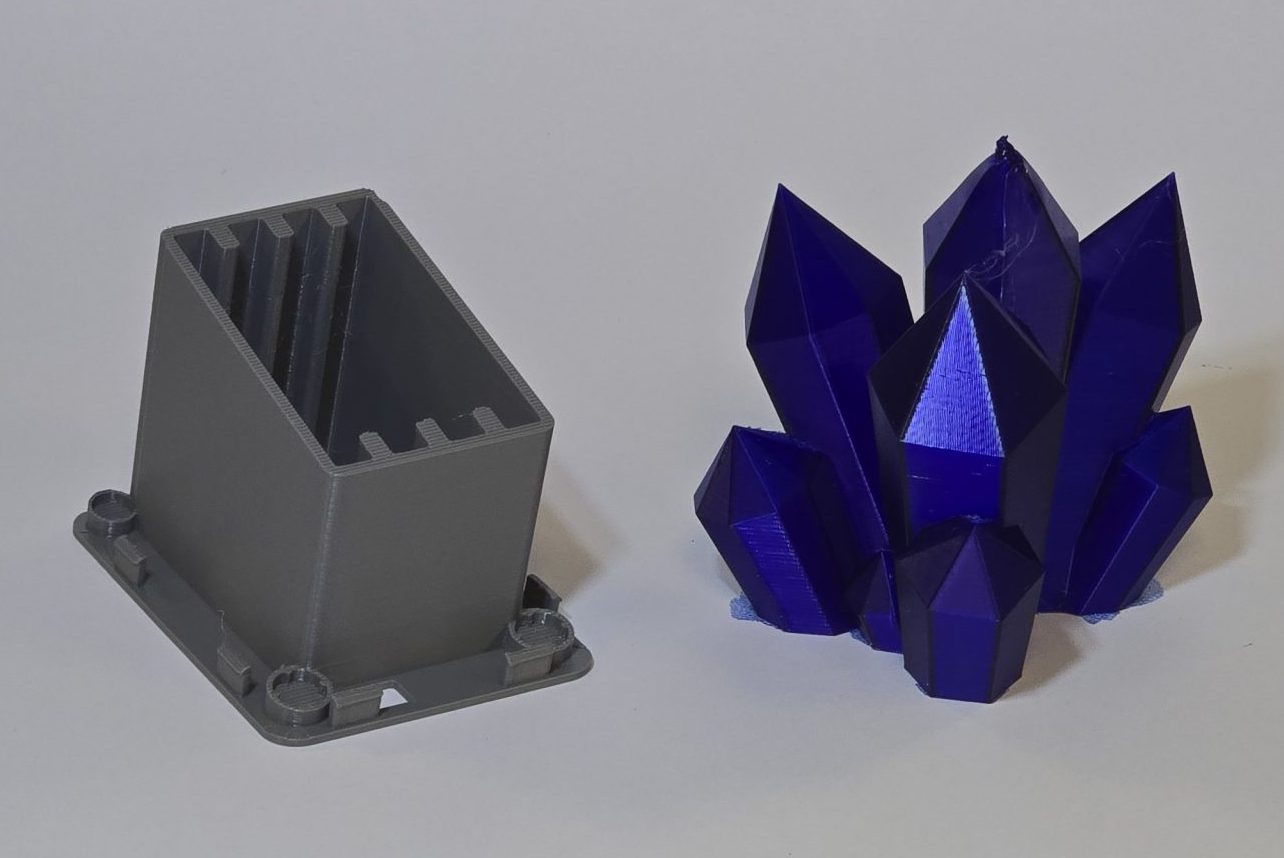
PETG – Polyethylene Terephtalate Glycol-modified
A tough, food-safe material combining the ease of PLA with the strength of ABS. PETG resists impact, moisture, and many chemicals, making it a great choice for functional parts, mechanical components, and any application requiring a bit of flexibility without sacrificing rigidity.
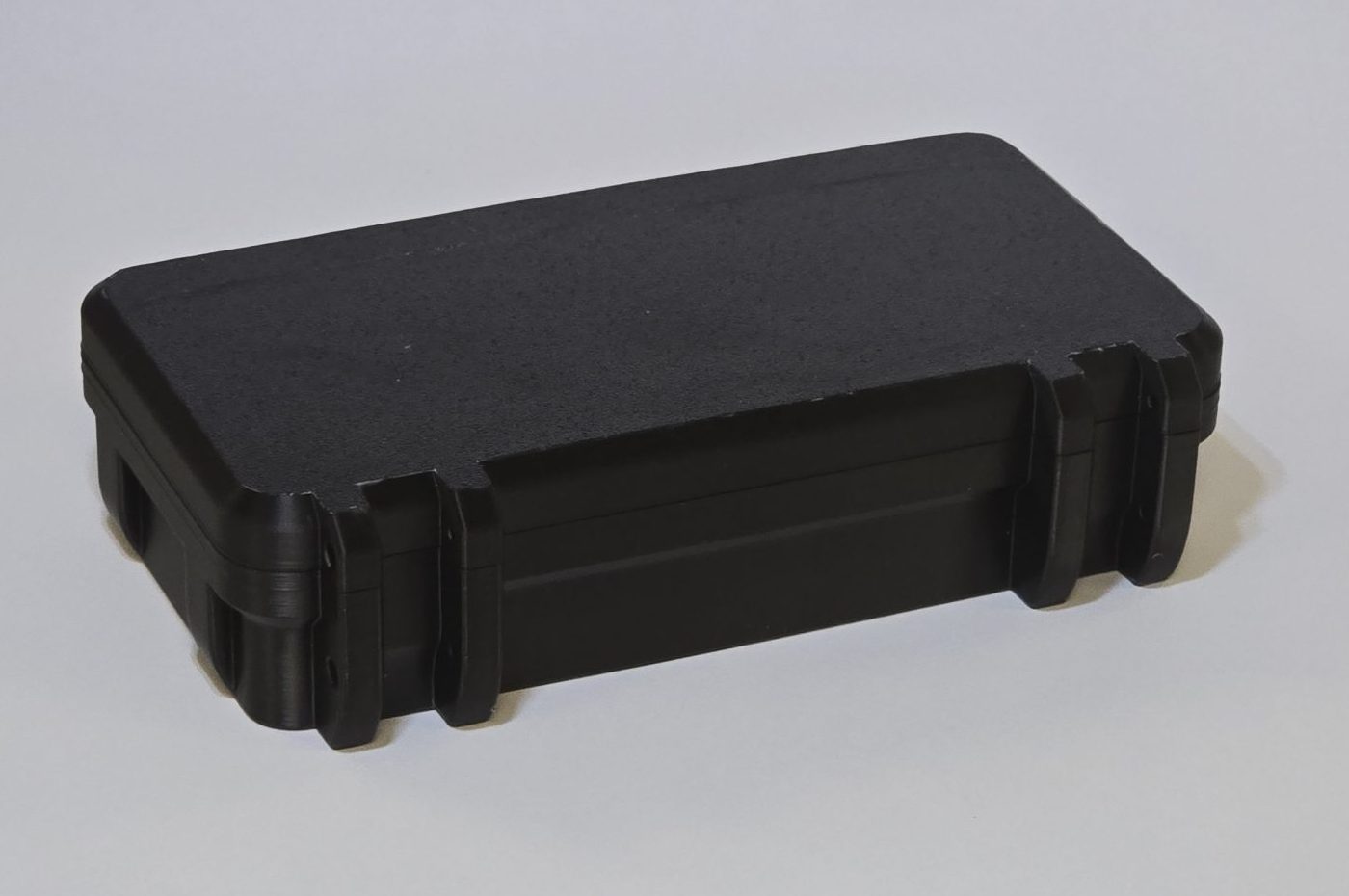
ABS – Acrilonitrile Butadiene Styrene
A classic engineering plastic known for its high impact resistance, heat tolerance, and slightly flexible toughness. ABS is great for automotive components, electronic housings, and any end-use part that must withstand repeated stress or higher operating temperatures—though it does require a heated bed and good ventilation.
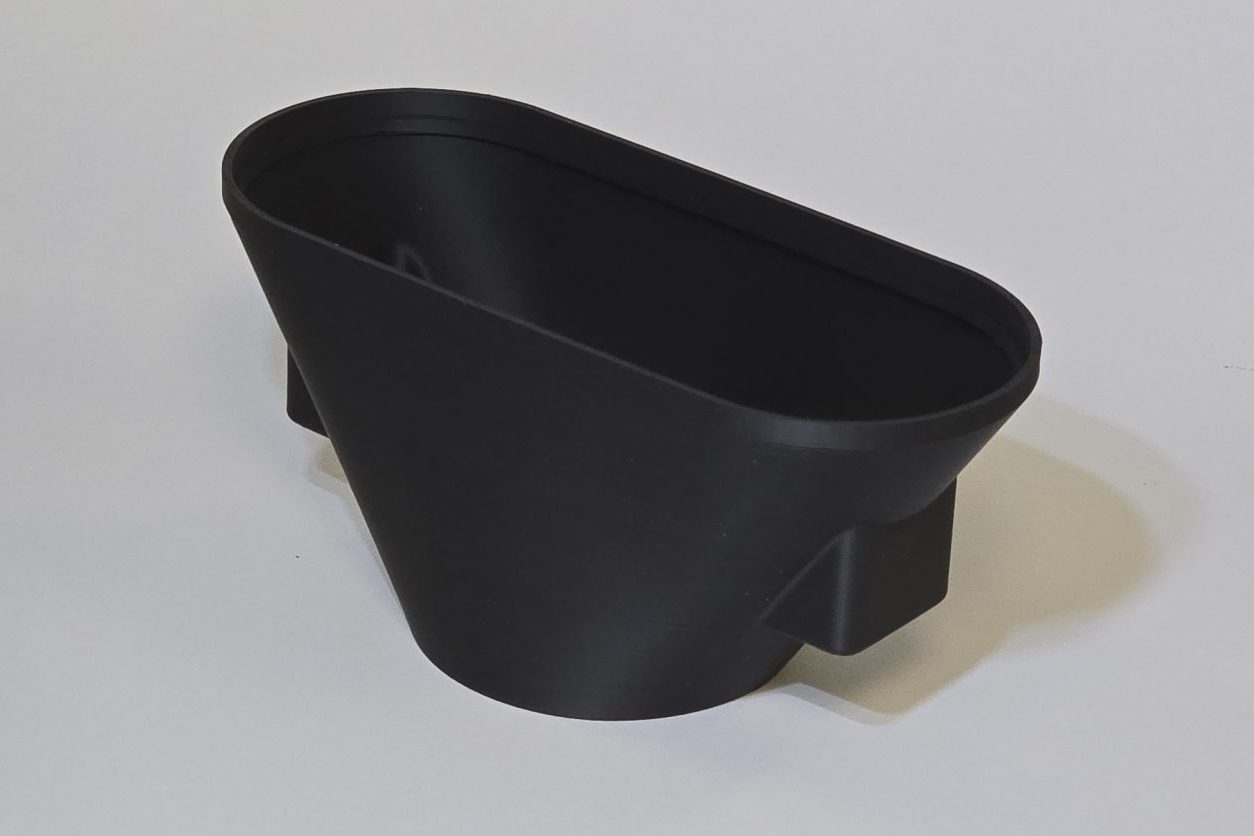
ASA – Acrylonitrile Styrene Acrylate
Essentially “UV-proof ABS,” ASA adds outstanding weather and light resistance to the mix. It retains ABS’s strength and thermal properties but won’t yellow or degrade in sun-exposed outdoor environments—perfect for outdoor fixtures, automotive trim, and signage.
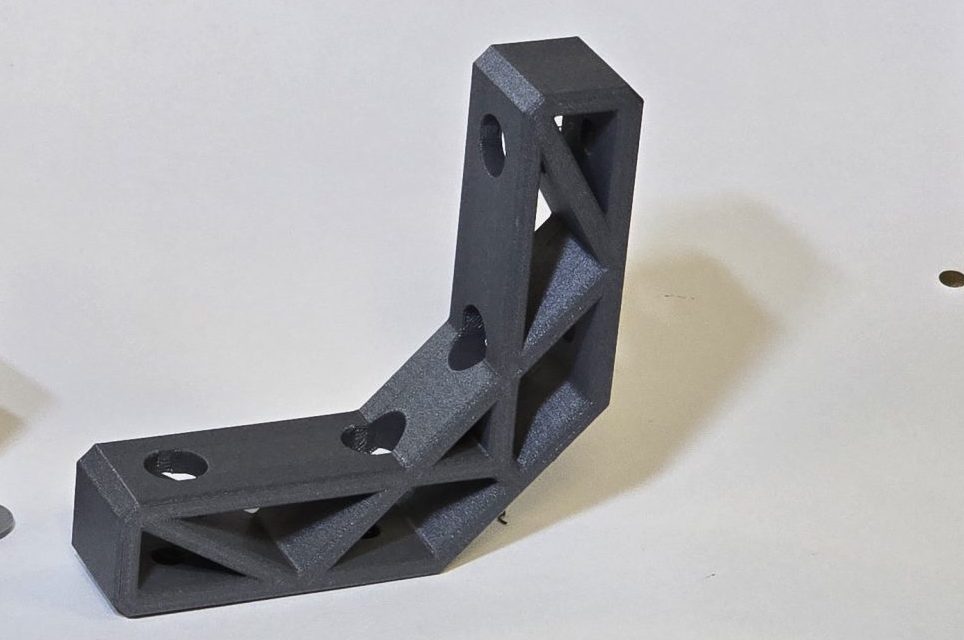
PACF – Carbon-Fiber reinforced Nylon
A nylon (polyamide) base loaded with chopped carbon fibers for extreme stiffness and dimensional stability. PA-CF offers excellent chemical and wear resistance plus superior strength-to-weight, making it ideal for high-performance functional prototypes, jigs, fixtures, and small structural parts.
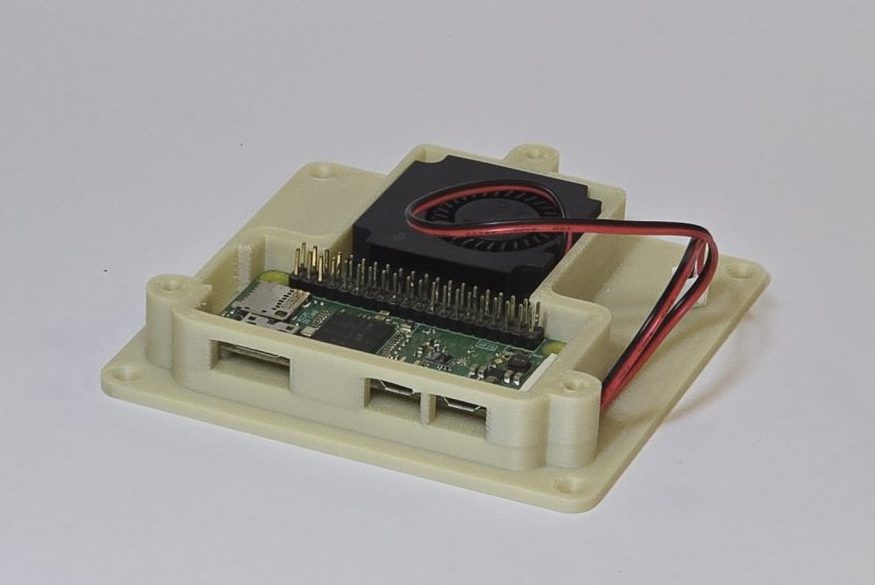
PETG-ESD – Electrostatic-Dissipative PETG
An anti-static variant of PETG that safely dissipates electrical charge. It combines PETG’s toughness and chemical resistance with ESD protection, so it’s used in electronics housings, static-sensitive components, and work-surface fixtures where controlling discharge is critical.
Need Help Choosing the RIght Material?
Let us know your application details and specifications. Our team can recommend the best FDM 3D printing material based on the manufacturing process, mechanical performance, and suitability for complex geometries or structural features.
Contact us for expert support with FDM printers, printing technology, and achieving successful results across different materials and use cases.